In a world increasingly concerned about climate change, the term “carbon credits” seems to pop up everywhere—whether in business reports, government policies, or everyday conversations about going green. But what exactly is a carbon credit, and why should we care? Consider this your friendly, in-depth guide. We’ll explore what carbon credits are, how they work, why they matter, and how you (or your business) can get involved. By the end, you’ll see how these “green currencies” can help us all take meaningful action against climate change.

1. The Carbon Footprint Connection
Before we dive into carbon credits, let’s talk about carbon footprints. The concept of a carbon footprint, as explained by the Environmental Protection Agency (EPA), measures the total greenhouse gas emissions—especially carbon dioxide (CO₂)—generated by an individual, organization, product, or event. These emissions stem from various activities, including burning fossil fuels for electricity, heat, and transportation.
It’s essential to keep track of these emissions because CO₂ is a major contributor to global warming and climate change, as noted by the Intergovernmental Panel on Climate Change (IPCC). Reducing the world’s collective carbon footprint is key to slowing down rising temperatures, melting ice caps, and extreme weather events.
2. What Are Carbon Credits?
A carbon credit is essentially A certificate that represents the reduction or removal of one metric ton of carbon dioxide (or an equivalent greenhouse gas) from the atmosphere. Think of it as a tradable asset designed to put a price on activities that cut emissions. Each credit can be bought, sold, or retired (taken out of circulation). When a company or individual “retires” a carbon credit, it means they are claiming the reduction of one ton of CO₂e (carbon dioxide equivalent) as their own.
2.1 Voluntary vs. Compliance Markets
Carbon credits exist in two main markets: voluntary and compliance.
- Voluntary Market: This is where businesses or individuals buy credits on their own initiative. They might want to offset travel emissions, market themselves as climate-friendly, or simply feel a responsibility to the planet. Projects that generate these credits could include reforestation programs, renewable energy installations, or energy efficiency initiatives.
- Compliance Market: Governments establish “cap-and-trade” systems that require certain industries to hold enough carbon credits to cover their emissions. If a company emits more than its allowance, it must buy additional credits. Conversely, if it emits less, it can sell its surplus credits. One well-known example is the European Union Emissions Trading System (EU ETS), which has helped reduce CO₂ emissions across Europe since 2005.
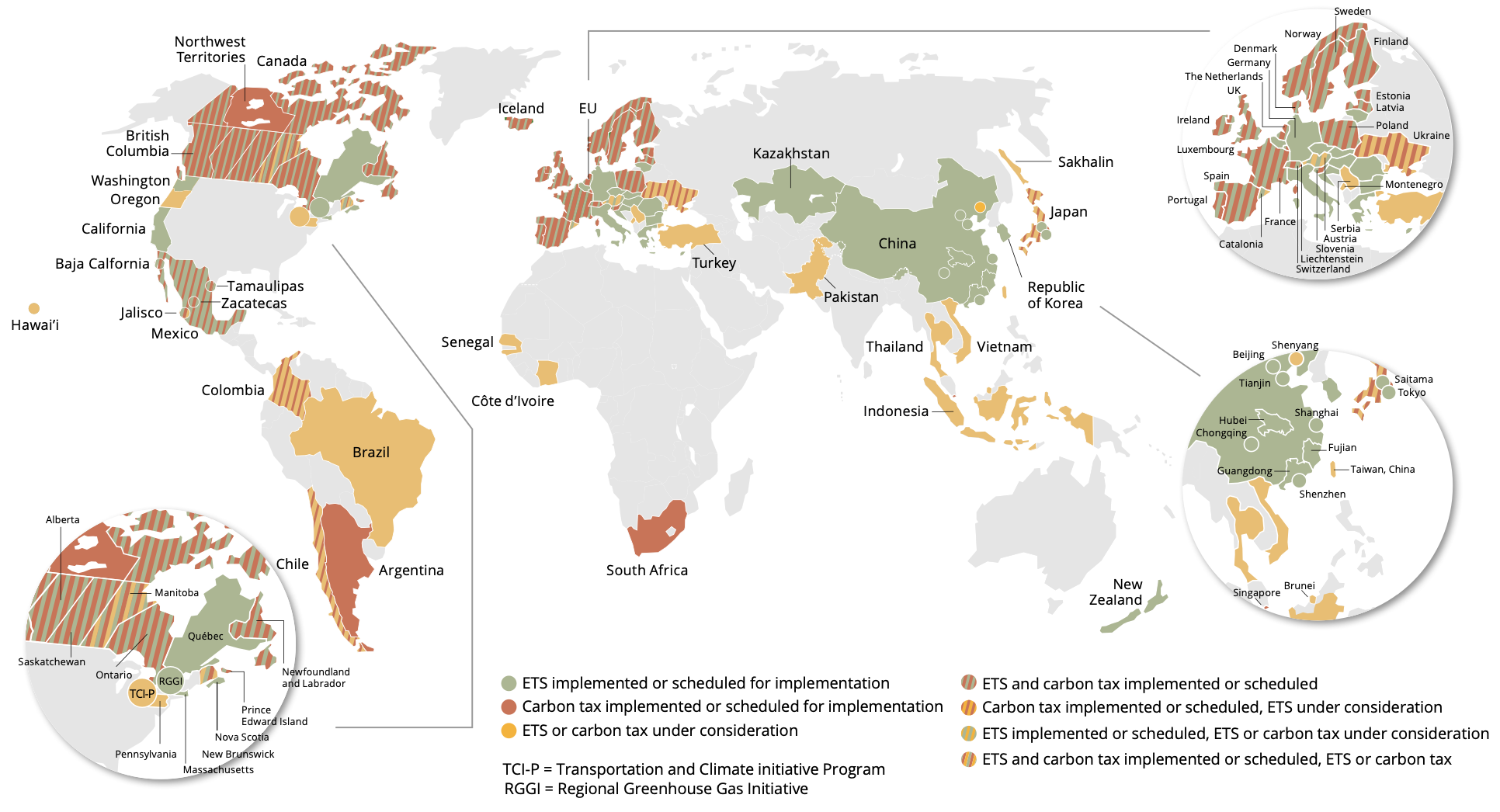
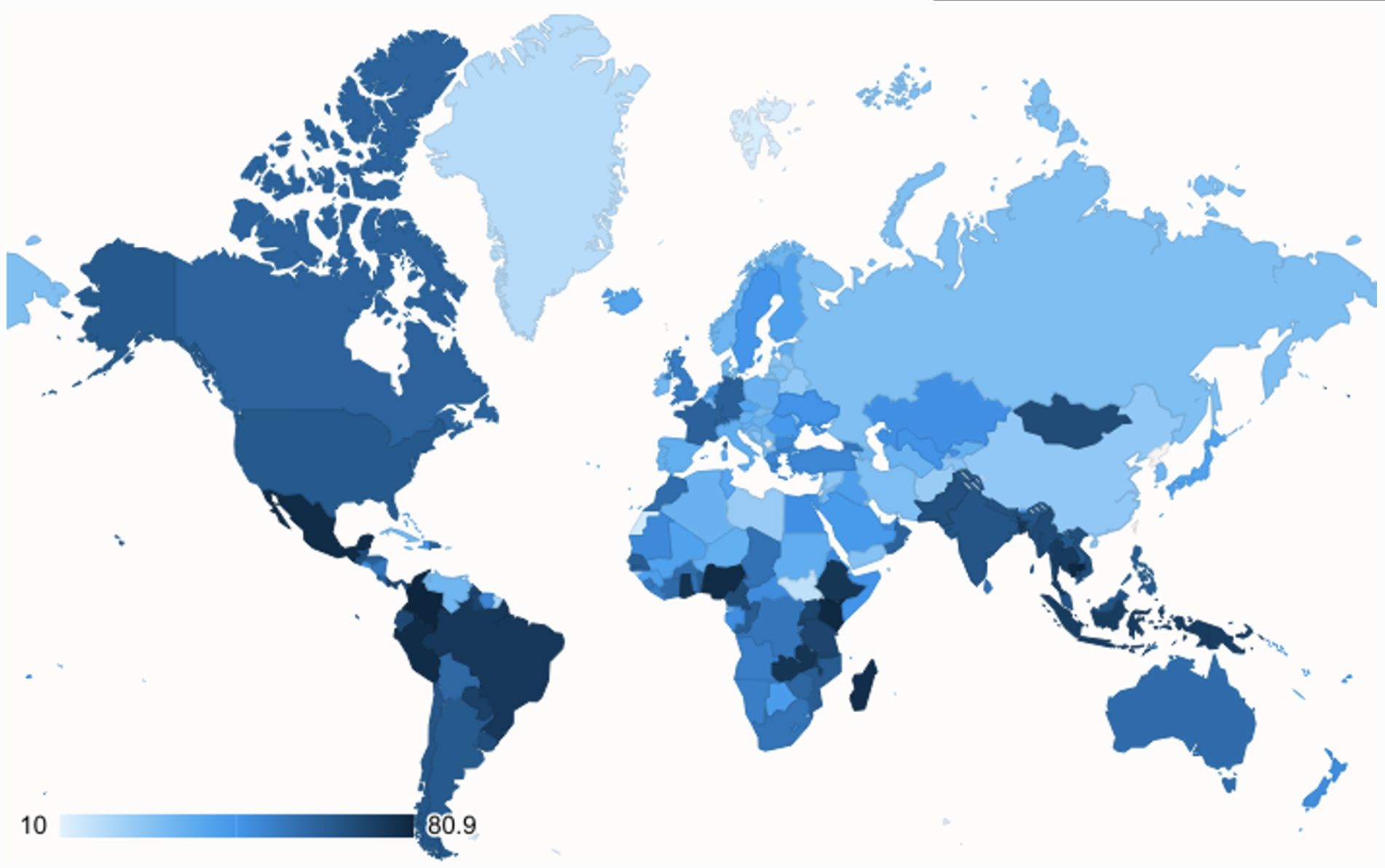
(left) Map from the World Bank – Compliance Market (2021). (right) Map from Abatable showing the VCM Index score (2024).
3. How Carbon Credits Work in Practice
3.1 Project Generation
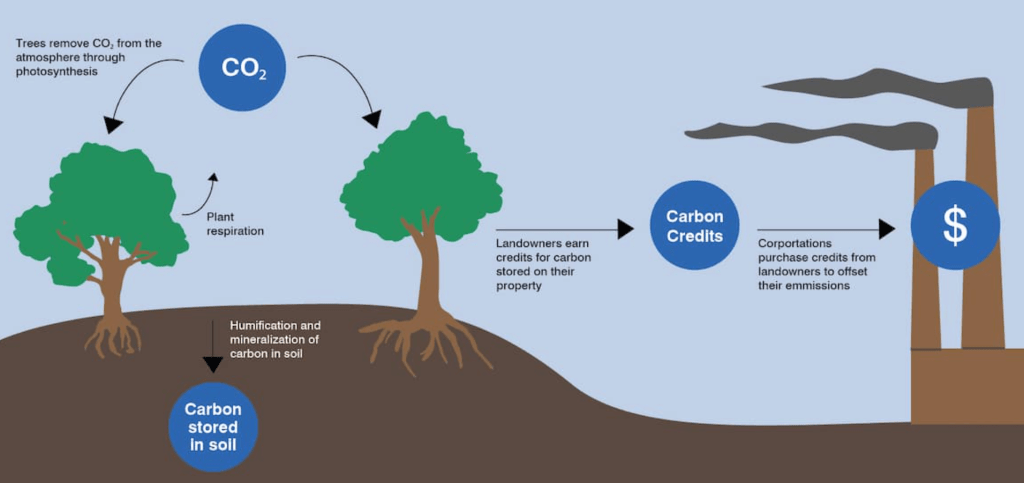
Carbon credits usually originate from projects that actively reduce, remove or capture greenhouse gas emissions from the atmosphere. For instance:
- Afforestation or Reforestation: Planting trees where there were none, or restoring lost forests. Trees act as carbon sinks, absorbing CO₂ as they grow.
- Renewable Energy Projects: Setting up wind farms, solar parks, or hydropower plants. By generating clean electricity, these projects displace the need for fossil fuel energy, thereby reducing emissions.
- Methane Capture: Capturing methane from landfills or agricultural waste to convert it into usable energy. Methane is a potent greenhouse gas, so preventing its release is significant.
- Energy Efficiency: Upgrading technology in factories or buildings to use less power, thus lowering emissions.
Once a project demonstrates verifiable reductions or removals, it can apply to a recognized certification body—such as Gold Standard or Verra’s Verified Carbon Standard (VCS)—to issue carbon credits.
3.2 Verification and Certification
No one wants to buy a “SHITTY” carbon credit. That’s why third-party certification and verification are crucial. Organizations like Gold Standard or Verra assess the project’s methodology, measure actual emissions reductions, and ensure there’s no double-counting. Once approved, the carbon credits are issued and listed in a public registry. This transparency makes the market more trustworthy.
3.3 Trading and Offsetting
After issuance, credits can be traded on various exchanges or sold directly to interested buyers—such as companies aiming to meet sustainability goals or individuals looking to offset their personal carbon footprints. If you buy a credit and “retire” it, you’re essentially preventing anyone else from claiming that same reduction. This is how offsetting works: your carbon emissions can be balanced against those reductions or removals achieved by the project.
4. Why Carbon Credits Matter
4.1 A Tool for Accountability
Carbon credits create a financial incentive for businesses to invest in cleaner technology or adopt eco-friendlier practices. By putting a price on carbon emissions, polluters face a tangible cost for their environmental impact. This encourages them to either reduce emissions or purchase credits to remain compliant or meet voluntary targets.
4.2 A Bridge to Innovation
The demand for carbon credits fuels innovation in renewable energy, efficient industrial processes, and other green technologies. Entrepreneurs see a revenue opportunity in climate-friendly solutions, fostering an entire ecosystem of sustainable, profitable ventures.
4.3 Social and Environmental Benefits
Many carbon credit projects provide benefits that go beyond just removing CO₂ from the atmosphere. For example, a reforestation project might create local jobs, enhance biodiversity, and protect watersheds. Renewable energy installations can offer cleaner electricity access, reduce air pollution, and bolster energy security in rural regions.
5. Common Criticisms and Challenges
5.1 Risk of “Greenwashing”
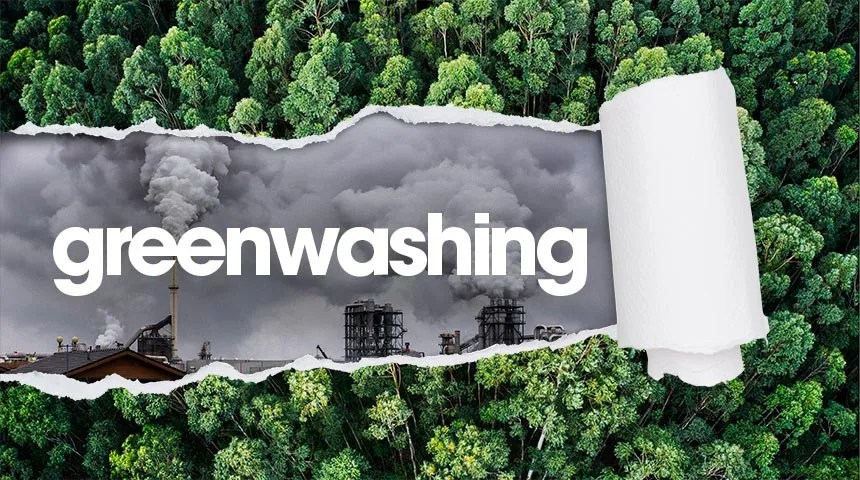
Critics argue that buying carbon credits can become a convenient way for businesses to appear sustainable without making real changes to reduce their own emissions. If a company relies solely on offsetting rather than addressing the root causes of its carbon footprint, it risks being seen as greenwashing.
Tip: Look for companies actively reducing their emissions first, then using high-quality carbon credits to offset the remainder.
5.2 Quality and Verification
Not all carbon credits are created equal. Some projects may overstate their emissions reductions or fail to uphold rigorous standards over time. To avoid questionable credits, buyers should verify that the project has certification from reputable programs (e.g., Gold Standard, Verra, Climate Action Reserve).
5.3 Permanence Concerns
Forestry projects, for instance, might store carbon in trees, but what happens if a forest fire breaks out or illegal logging occurs? Reputable standards address this by implementing buffer pools (credits set aside to compensate for potential losses) and monitoring systems to ensure long-term permanence.
6. Final Thoughts: Why “Green Currency” Matter
So, are carbon credits the perfect solution to climate change? Not exactly—there is no single silver bullet. Yet, carbon credits serve as a powerful tool in our collective arsenal. They help channel funds toward meaningful climate initiatives, encourage responsible corporate behavior, and remind everyone—businesses and individuals alike—that there’s a tangible cost to emitting greenhouse gases.
When used ethically and effectively, carbon credits can accelerate the shift toward a low-carbon economy. The idea of a “green currency” is more than just a catchy phrase; it represents a financial mechanism that ties global prosperity to the health of our planet. And in a world grappling with escalating climate challenges, that connection is vital.
If this resonates with you, consider joining communities like Offset Flow to share tips, explore partnership opportunities, and discover the next frontier of sustainable innovation. Together, we can harness the power of carbon credits and other carbon management strategies to move the needle on climate action.
References and Further Reading
- Environmental Protection Agency (EPA) – Carbon Footprint Basics
- Intergovernmental Panel on Climate Change (IPCC) – Climate Change Reports
- Gold Standard – Project Certification for Carbon Credits
- Verra’s Verified Carbon Standard (VCS) – Leading Carbon Credit Program
- European Union Emissions Trading System (EU ETS) – Compliance Carbon Market
- Paris Agreement – Global Climate Framework
One response to “Carbon Credits Unveiled: Your Guide to Green Currency”
Offset Flow
Carbon Credits & Net-Zero. TOGETHER.
Menú







 Offset Flow
Leave a comment