This is a plain-language review of one of the most important — yet underdiscussed — environmental reforms in Mexico this year.
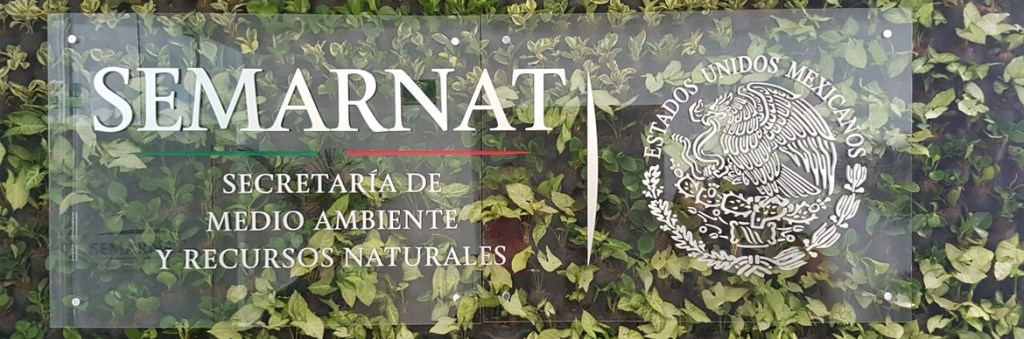
In March 2025, the Mexican government approved a significant overhaul of the internal structure of SEMARNAT, the Secretaría de Medio Ambiente y Recursos Naturales. These changes were officially published in the Diario Oficial de la Federación, but unless you follow policy closely, you probably missed it.
Shortly afterward, the legal experts at Pérez-Llorca — a respected international law firm with a strong presence in Mexico — released a detailed SUMMARY of this reform. Drawing from their insights and experience in environmental law, we at Offset Flow have created this digestible summary to explore what this new regulation means — for climate policy, carbon projects, and the country’s ecological future.

A New Direction: More Climate, Less Confusion
Let’s start with the structural change. The reform brings in new administrative divisions within SEMARNAT, each with a sharper focus on some of today’s most pressing environmental issues:
- Climate change adaptation and mitigation
- Biodiversity protection
- Waste management and circular economy
This may sound like internal bureaucracy, but it has powerful implications. For the first time, climate change is not just a theme inside a department — it’s a core pillar with its own operational arm. That means more specialized teams, clearer mandates, and potentially better coordination across ministries.
It’s a move from environmental generalism to environmental strategy. And that’s exactly what Mexico — and the planet — needs.
Aligning Mexico with the World
Another big win: the reform explicitly requires SEMARNAT to align national regulations with Mexico’s international environmental commitments.
What does that mean in practice?
- Stronger compatibility with international carbon market standards
- Easier validation for high-integrity carbon credit projects
- More legal certainty for companies trying to meet ESG and climate goals
In other words, this legal alignment helps close the gap between what happens on paper and what happens on the ground. It helps ensure that mangrove restoration projects, regenerative agriculture initiatives, and carbon offset programs are not only ecologically valuable — but legally recognized and scalable.
From Waste to Wealth: Embracing Circularity
One of the more forward-thinking elements of the reform is its inclusion of circular economy principles. This shows that Mexico isn’t just reacting to environmental damage — it’s starting to rethink how environmental value is created.
Incorporating circular logic means:
- Reducing reliance on raw extraction
- Encouraging the reuse and reinvention of materials
- Creating new green business models rooted in sustainability
For us at Offset Flow — and for innovators across Mexico — this shift opens doors for carbon-smart products, nature-based business models, and carbon credit–eligible activities tied to materials, not just emissions.
Community Engagement: Finally More than a Checkbox
Environmental justice isn’t just about protecting nature — it’s about who gets to make decisions.
The reform includes stronger provisions for citizen participation and engagement with civil society. This matters, especially in a country where land, biodiversity, and water are often stewarded by rural and Indigenous communities.
Real climate action means:
- Making consultation meaningful
- Sharing benefits
- Respecting local leadership
We see this as a promising signal that SEMARNAT wants to rebuild trust and transparency — a crucial step if environmental policy is to succeed beyond paperwork.
What It Means for Climate Entrepreneurs and Carbon Developers
This may not be a flashy story — but it’s a foundational one.
Here’s what the new regulation tells us:
- Mexico is preparing for a more serious role in the global climate agenda
- SEMARNAT is being equipped to act faster, smarter, and with more precision
- There’s growing space for carbon markets, nature-based solutions, and climate finance
For developers, startups, and communities working on offset projects — especially those tied to reforestation, soil restoration, blue carbon, or regenerative agriculture — this is the kind of legal clarity that can unlock funding and accelerate execution.
Conclusion: The Kind of Change That Lasts
We tend to associate climate action with big conferences, grand declarations, or viral campaigns. But real change often starts in quiet, technical spaces — like internal government regulations that shift how entire institutions operate.
That’s what happened in March 2025.
With this update, Mexico has taken a step toward more modern, effective, and climate-conscious environmental governance. It won’t fix everything. But it gives us better tools — and clearer pathways — to act faster and more impactfully.
At Offset Flow, we see this as a moment of alignment. Between government, innovators, communities, and the planet itself.
And we’re ready to build what comes next.
Check out PÉrez-Llorca’s legal note
Sources
- Pérez-Llorca (2025). Nota Jurídica: Publicación del nuevo Reglamento Interior de la SEMARNAT. Principales modificaciones y efectos para el sector ambiental.
Published March 2025 at www.perezllorca.com - Diario Oficial de la Federación. Reglamento Interior de la SEMARNAT — Published March 14, 2025.
dof.gob.mx
Offset Flow
Carbon Credits & Net-Zero. TOGETHER.
Menú







 Offset Flow
Leave a comment